
In 2013, the Hong Kong Toys & Games Fair introduced a new concept: Kidults. As I recall at the time, there were several in the toy industry who dismissed the concept out of hand. (Amazing how often that happens.) Fast forward a decade, and Kidults are a major buying bloc.
John Baulch, publisher and editor of UK’s Toy World said that in his conversations with indie UK toy merchants, they believed that toys bought by adults for themselves or other adults last year contributed significantly to overall sales. In fact, Baulch said, if they backed out those sales, the EOY numbers would look quite different, particularly as weaknesses in other sectors such as preschool were felt keenly by merchants.
Others here at the Hong Kong Toys & Games Fair have suggested that the Kidult market represented some 25 percent of total sales in 2023. Unfortunately, this statement was made without any supporting evidence, and indeed it would be hard to come by. Who knows if an action figure bought by an adult is for an adult or a child, for example?
Nevertheless, even if the “evidence” is based on anecdotes and opinion and hard numbers are hard to come by, what we do know is that adults are not giving up their toys. We’ve heard from some retailers, but not confirmed, that the LEGO sets the performed most strongly last year were those higher-end sets targeted to adults.
Before we get into the specific, and often amazing, products we’ve seen here in Hong Kong, it’s worth talking a bit about how this category evolved, as it’s far more than toys. Humans are by nature collectors, and the products we own, collect, and display, are a form of identification. In generations past, people collected plates, spoons, or, God help us, Hummel Figures, and any other manner of object. These totemistic items are ways in which we express ourselves and our affiliation with a tribe. For today’s consumers, those same impulses are expressed through pop culture brands. It’s really that simple, and it’s that powerful when it comes to interpretations of characters and franchises.
Since most Kidult products are primarily for display rather than play, and since collectors are always looking for something new, whether in form factor, interpretation, artistry, or limited edition. The opportunities for creativity within a mass market are huge. (For history buffs: Staffordshire porcelain figures from England in the late 18th and early 19th Centuries were among the first mass market collectibles. Set aside that they were created with child labor and lead-based paint.)
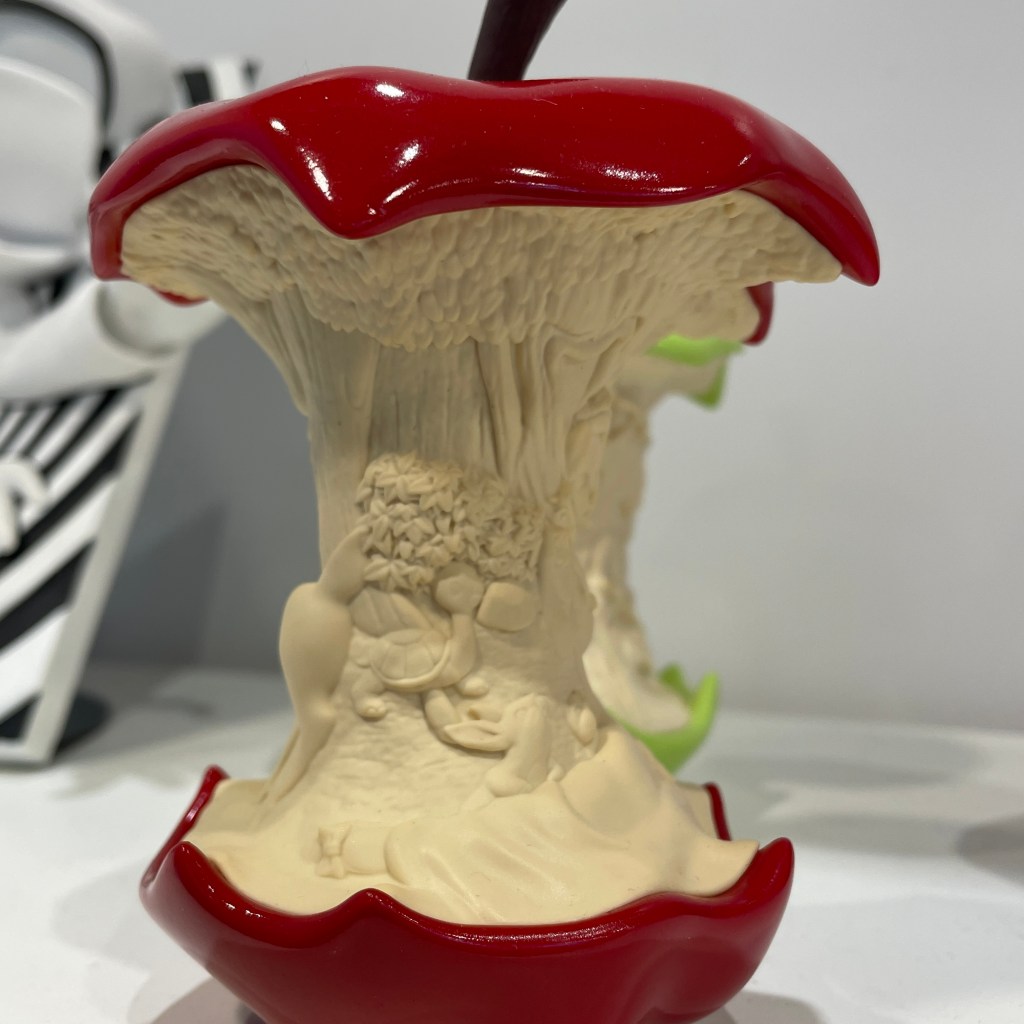
Whatever the source, or the history, this sector has been fully embraced here at the Toys & Games Fair. We’ve followed Soap Studio throughout their 10-year history, and they are notable for the amazing sculpts, exceptional use of resin, and their global licensing power.
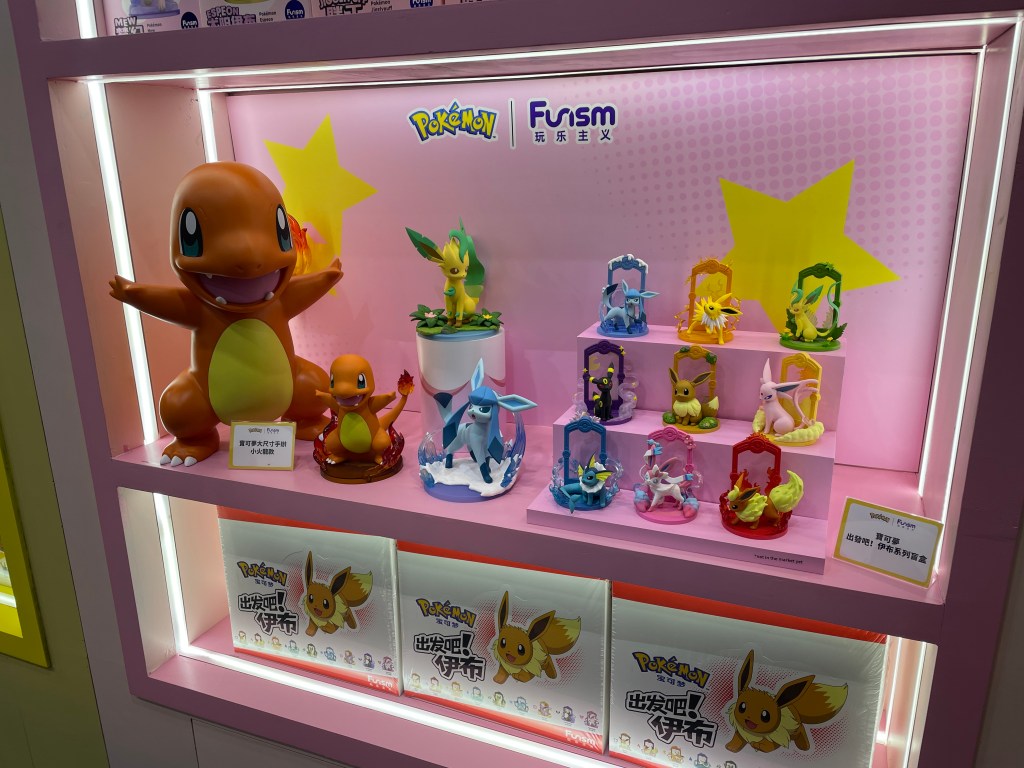
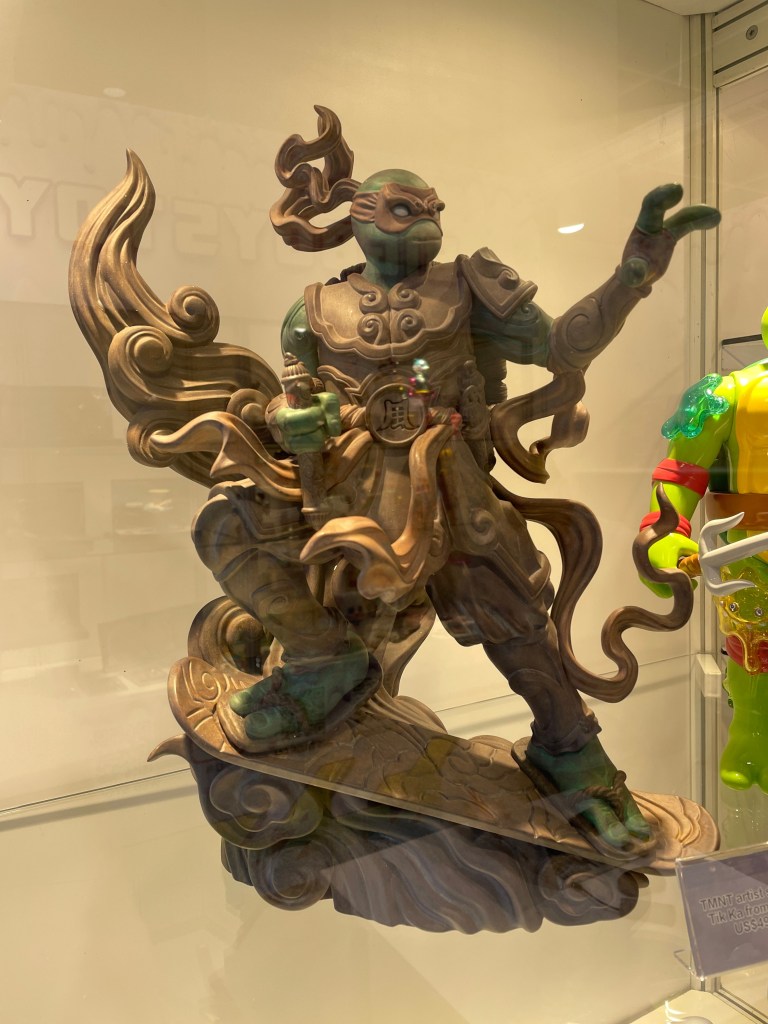
Big Boy Toys HK, has engaged Hong Kong artists to interpret classic characters in new ways. We were particularly impressed by their Teenage Mutant Ninja Turtles Artis Series and artist Tik Ka from East’s representation of Donatello.
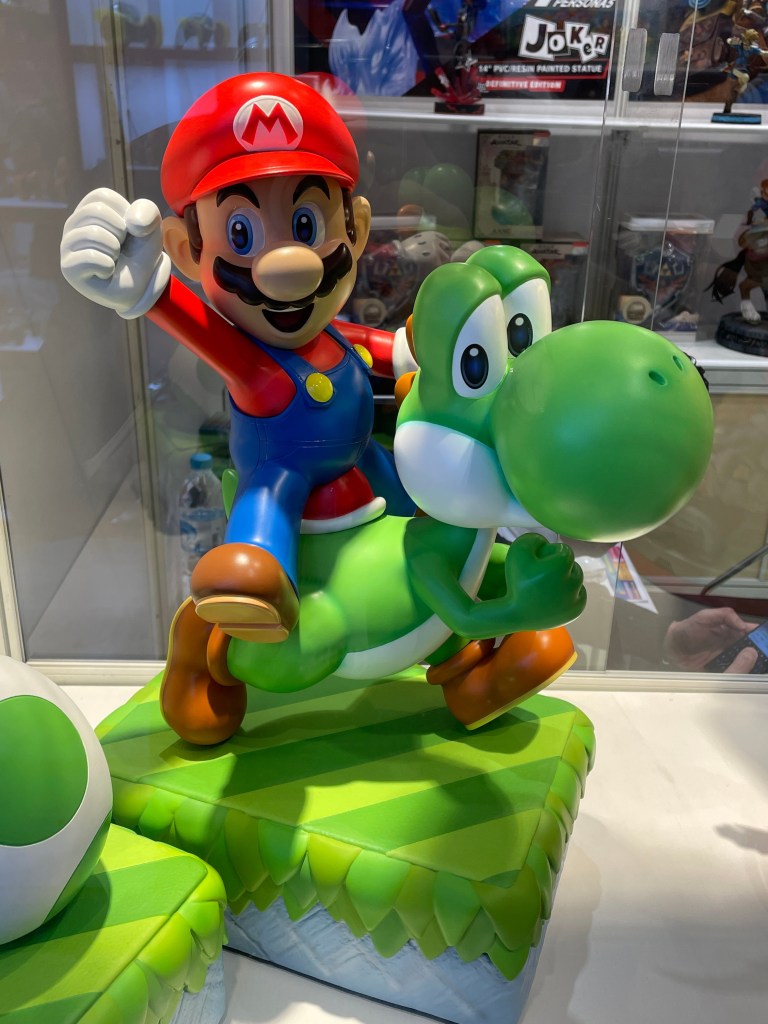
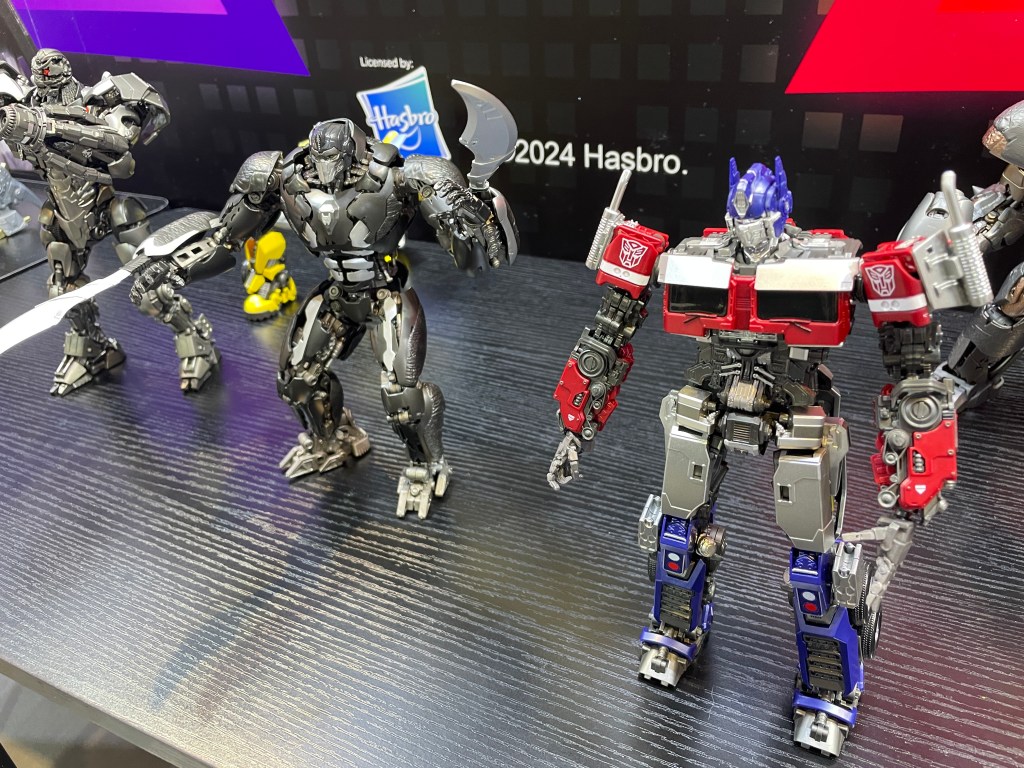
First 4 Figures Services has introduced stunning Nintendo figures and much more, and Yolopark has worked with Hasbro on new interpretations of Transformers at a variety of price points and levels of sophistication.

As we’ve seen throughout the history of the toy industry, concepts are not new, nor are the human needs toys and collectibles provide. Whether it’s a statue of Shakespeare leaning on a plinth or Mario riding on Yoshi, these items are just one way we show the world who we are.
What do you think?
