
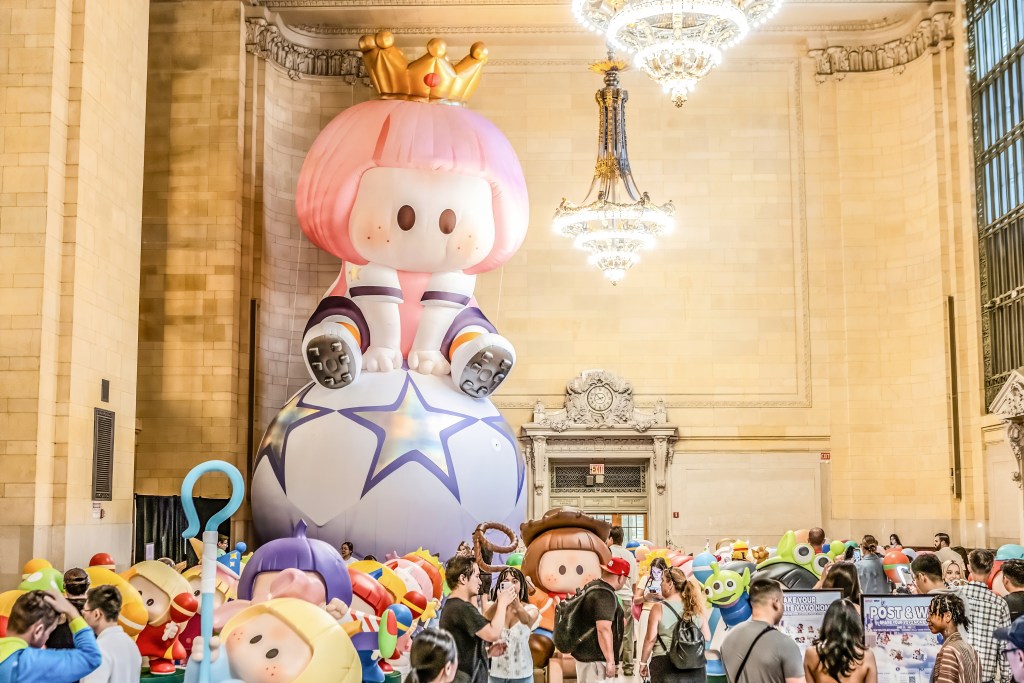
MINISO is continuing to evolve beyond value retail with the debut of its largest-ever YOYO art exhibition in New York’s Grand Central Terminal, reinforcing a strategy that positions proprietary intellectual property as a key driver of global consumer engagement rather than simply product sales.
The “YOYO Small Yet Significant” exhibition features 50 five-foot-tall YOYO sculptures alongside a more than 40-foot installation, transforming one of New York City’s busiest public spaces into an immersive brand experience. The activation marks another milestone in MINISO’s broader transition into a global IP operating platform, where original characters serve as the foundation for retail, entertainment, community engagement and consumer experiences.
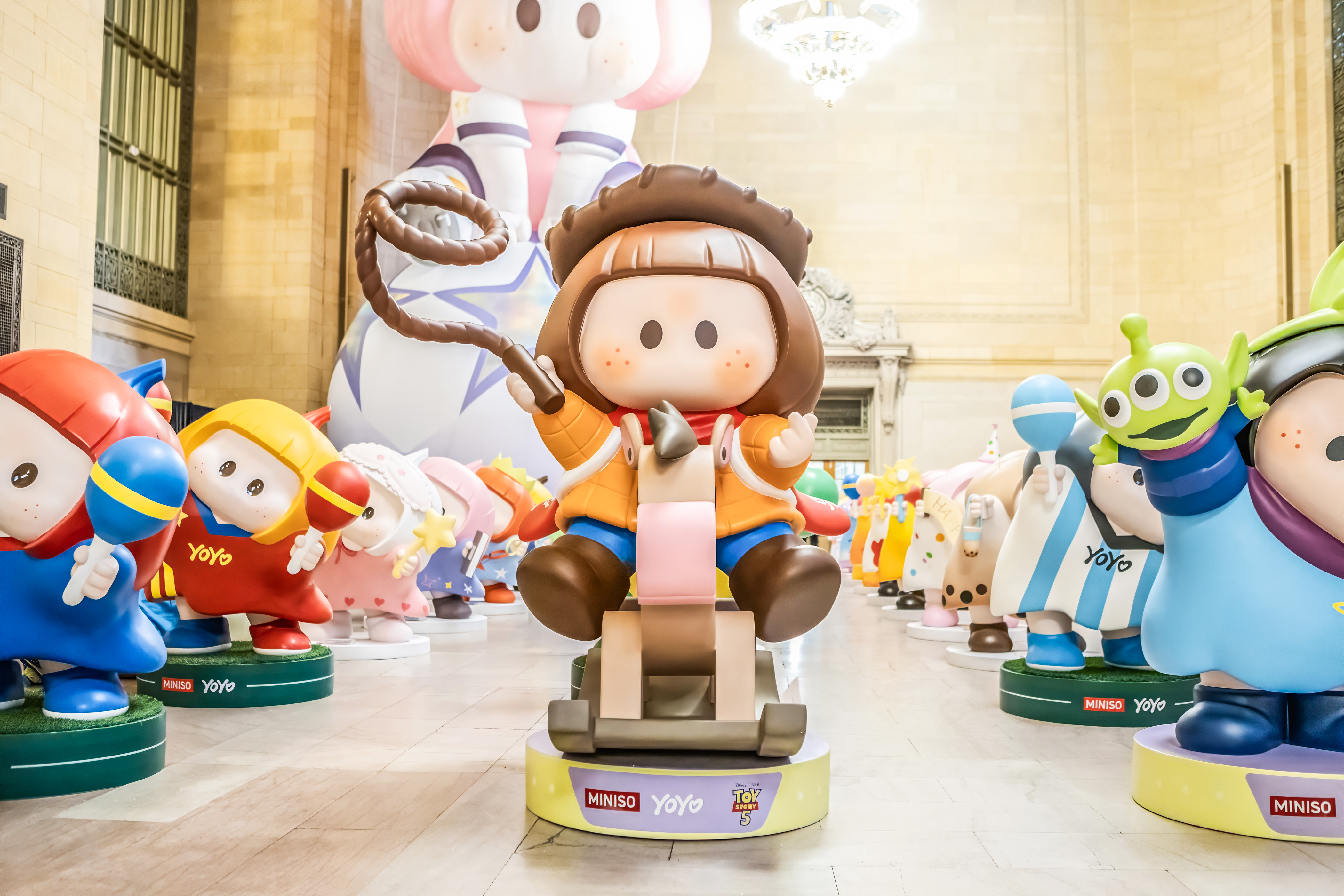
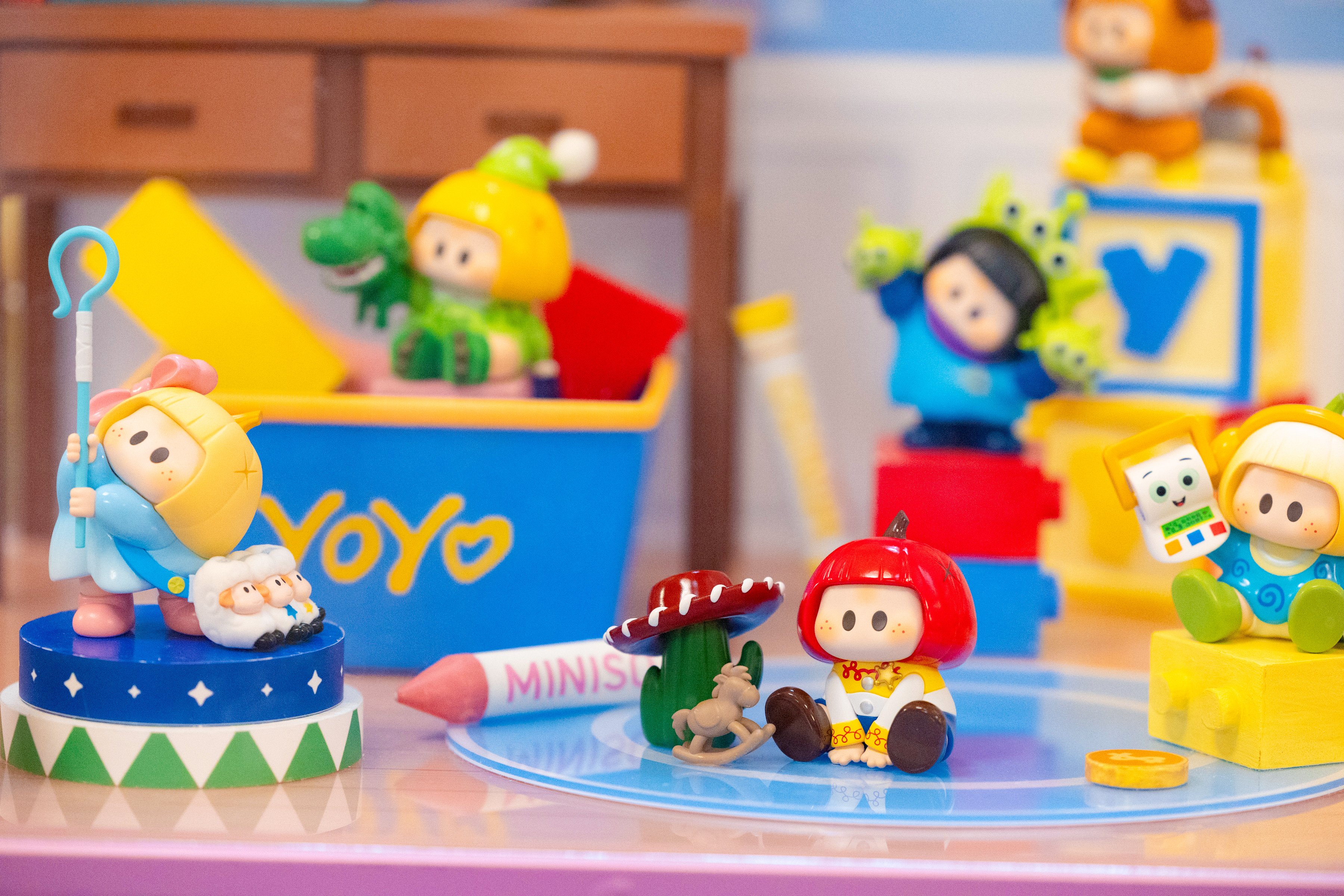
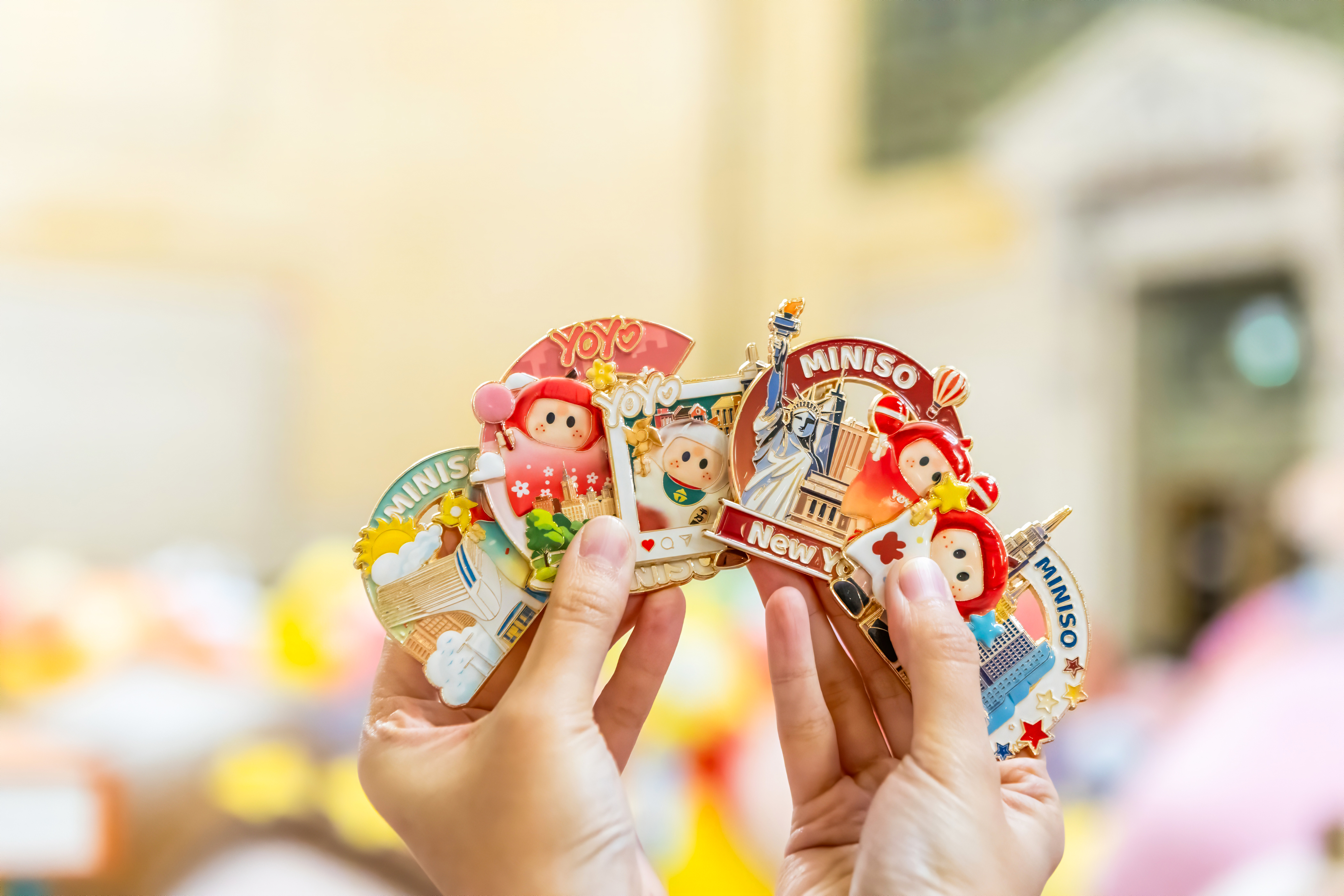
Introduced in 2025, YOYO has quickly become one of the company’s fastest-growing proprietary characters. Recognizable by its pumpkin-shaped head and minimalist design, the character has expanded across vinyl plush, blind boxes and collectible figures. According to MINISO, YOYO generated more than US$14 million in global product sales within six months of launch, demonstrating the growing commercial potential of retailer-owned IP.
The New York exhibition also highlights MINISO’s emphasis on collaboration. Several installations were co-created with artists, creators and fans, while one exhibit was developed alongside New York-based nonprofit Animal Haven, reinforcing the company’s goal of using its characters to foster community engagement beyond traditional retail.
YOYO is just one element of MINISO’s expanding IP portfolio, which combines globally licensed entertainment properties with original brands including Gift Bear & Friends, Dundun Chicken, MINI Family, KUMARU and Carrot Street. The company is also investing heavily in experiential retail through concepts such as MINISO LAND, MINISO FRIENDS, and dedicated gallery spaces designed to showcase IP-driven art and storytelling.

For the global toy industry, MINISO’s strategy reflects an increasingly important shift: retailers are no longer simply selling licensed products—they are becoming creators, owners and marketers of intellectual property. By combining proprietary characters with immersive experiences, social engagement and collectible merchandise, companies can build deeper emotional connections while creating long-term brand equity that extends far beyond the store shelf. As competition for consumer attention intensifies, expect more retailers and toy companies to invest in owned IP ecosystems that blend commerce, entertainment and live experiences into a single brand strategy.
