
The global toy industry is not only growing but transforming. According to data company Circana’s just released 2026 Global Toy Report, the industry reached $123 billion in annual sales, growing 8 % in 2025.
The toy industry is not just growing – it’s transforming,” said Frederique Tutt, global toys industry advisor at Circana. In a prepared statement he added, “Play is expanded beyond childhood into a form of entertainment, creativity, and connection for all ages. The result is new demand across age groups and geographies, creating a more dynamic and resilient global toy market.”
While children under 10-years-old remain the market share majority, accounting for more than 65% of global toy sales, their share is gradually declining as older consumers assume a larger role. The fastest growth is coming from recipients aged 15 and older—a segment that now represents nearly 20% of total toy sales and whose spending has more than doubled since 2020. Especially in developed markets, teens and adults are now responsible for the majority of incremental growth, driven by demand for collectibles, nostalgia-led purchases, and hobby-based play experiences.
According to the report, growth is strongest in Asia and Oceania. In fact, Asia has overtaken Europe to become the second-largest toy market globally, while North America remains the largest, accounting for 41% of total sales.
This certainly seems like a rosy outlook, but, like any reports this is a snapshot of a moment in time. In other words, it’s backward looking.
This report does not, and in all fairness cannot, account for a longer-term outlook. What will be the implication of tariffs? The current administration is doing everything it can to avoid tariff refunds and find ways to impose new tariffs. The current uncertainty in the market is impacting planning and messing with projections.
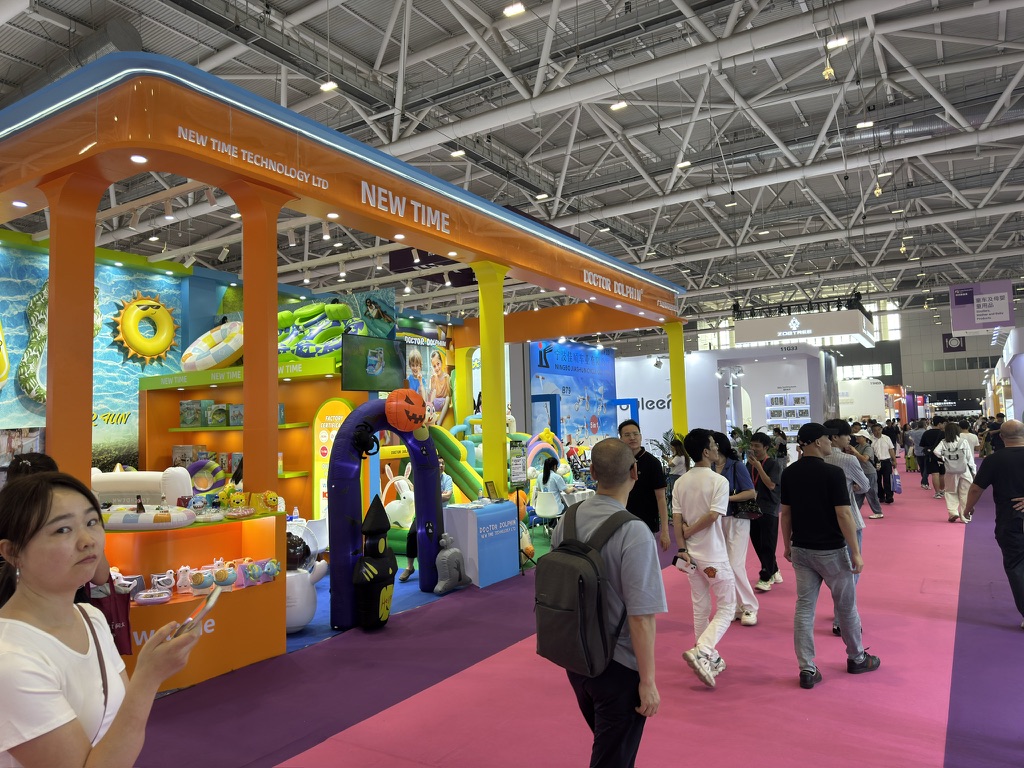
The promise of the Chinese market for American goods may not be as bright as it seemed a few years ago. The growing prevalence, appeal, and demand for homegrown brands, toys, and IP is changing the competitive outlook. Conversations in Shenzhen and Hong Kong earlier this year indicated that this is a generational shift in consumption.
The declining birthrates globally are going to have a longer-term impact, and the question remains whether or not the Kidult market will pick up the slack. Logically, that will decline as well as the population shrinks. As we look at it, we keep asking what properties will these consumers want to collect twenty years from now? The question remains whether the increases are from prices or unit sales. All reports I’m hearing are from the former.
More in the present, the Washington Post reported this morning that inflation is at an all-time high. This is going to have an impact as we get into the all-important Q4 shopping season. Nor do you need more bleak outlooks on shipping, insurance, and other operational headwinds.
Finally, and perhaps to nitpick a bit, Circana is claiming that play is changing. It is not. The role of play in child development has not changed. We simply don’t evolve that quickly as a species. Nor does the rise of the adult consumer purchasing items that might otherwise be considered toys indicate a fundamental change in play. It’s a semantic trick to imply that because adults are buying IP that was once more targeted to, and consumed by, children that play is changing. It may seem like a small distinction, but it’s an important one. Adults are collecting and creating community around fandom. That’s what many companies are chasing right now. The fact that LEGO appeals to all ages (Hooray!) doesn’t change the inherent nature of the play. Rant over.
So, by all means, let’s celebrate whatever good news there might be today, but the challenges to the industry remain.
How does this report affect you?
