

Walking the shows in Nuremberg and Hong Kong, there was one ubiquitous character that everyone seemed to want a (officially licensed) piece of: Stitch, originally from the 2002 Disney film Lilo & Stitch.
You couldn’t swing a stuffed toy without crashing into some licensee or other, and the range of categories just at the toy fairs ranged from backpacks to water bottles to cosmetics to games and all manner of representative toys.
Despite the fact that there’s a new live action version of the tale coming from Disney in May of this year, that alone doesn’t account for the sheer number of licenses and categories seen at the show. The original movie was more than two decades ago, and there hasn’t been new series content in the U.S. for a while, though there is more recent programming in Asia in the last 8-10 years.

We love the mischievous, sometimes out-of-control, hellbent on destruction blue critter who’s domesticated by Lilo and learns the value of family–as millions do. You can read all kinds of analyses of why Stitch is popular, from his naughty-by-nature programming to his ultimate transformation, to his sense of humor. Kids (and adults) love the character of the lovable rapscallion.
All of this is valid, and narrative is critical to establishing a character. However, from a pure business standpoint, the significance of Stitch’s popularity and staying power is that it is fan-driven. Much as we saw with Lotso Huggin’ Bear from Toy Story 3 in China last year, it’s the fans who are driving the business.

To Disney’s credit, they’ve been responsive and strategic in leveraging the fandom market for Stitch. What’s also significant is how it’s possible to make an international sensation with a licensed character not dependent on a movie or TV show. Social media, fashion, and other exposure, largely out of the hands of the licensor have driven the character’s popularity.
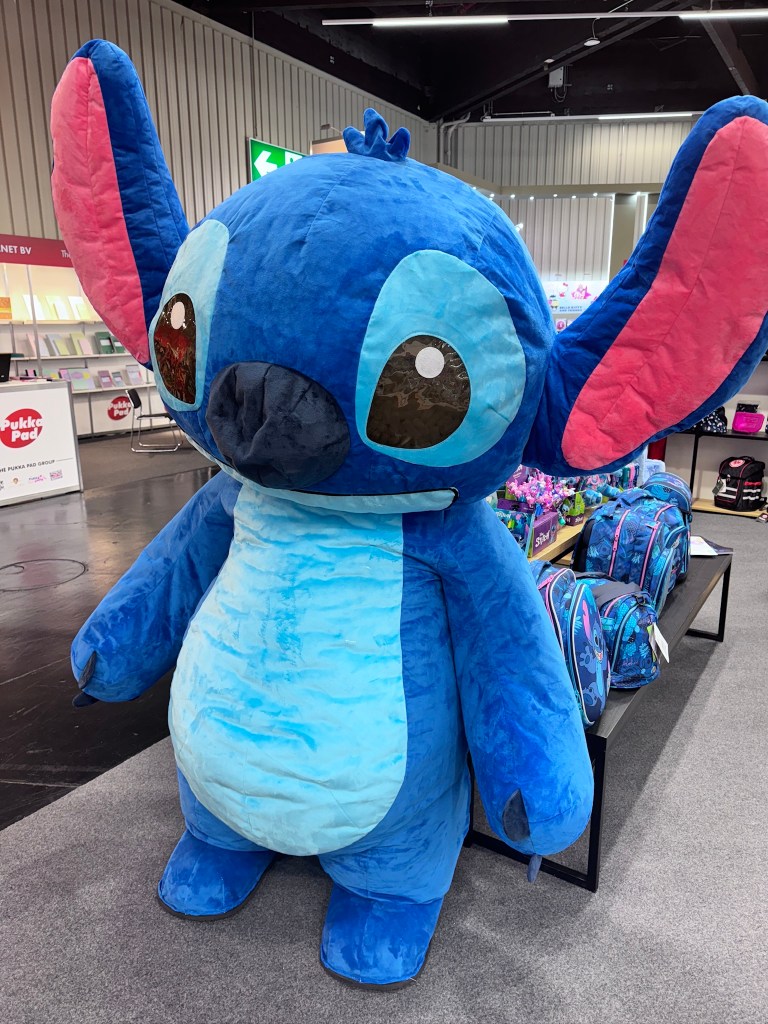
Stitch has essentially become a brand unto itself, with all the attributes of a brand that fans want to communicate about themselves in aligning with it. Once consumers took over, and to some extend redefined the narrative (for all intents and purposes), they started building a community around the brand that has kept expanding. Thus, aisles and aisles of merchandise to feed demand.
While there’s no doubt that the new movie will be a success and bring new consumers into the Stitch fan club, without the swell of fandom, would there be a market for the remake? It’s impossible to know.
What this does invite the industry and franchise owners/licensors to consider are the different avenues of engagement possible in the current market and while the power of movies and TV to drive a franchise is still enormous, the power of the consumer and the connected nature of our cultures can be an important component in the lifetime of a franchise as well.
Of course, the toy market will always be unpredictable. Why one character becomes a hit while other languish is never fully knowable. But when a Stitch comes along, the ability to respond and sew up opportunity remains an inherent part of the business.
