
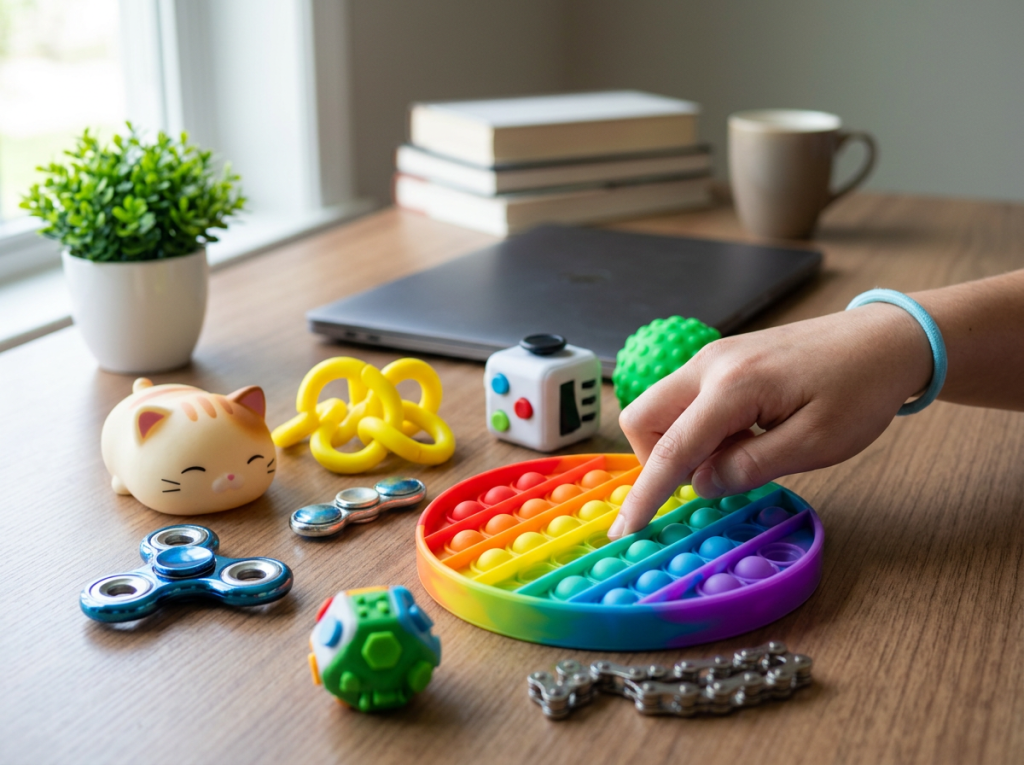
The rise of decompression toys says a lot about where the toy industry — and consumer behavior — is heading. What was once viewed as a simple impulse-buy fidget trend has evolved into a much broader wellness and therapeutic category, with products now positioned around focus, anxiety relief, sensory support and even workplace productivity. For the toy industry, this creates a major opportunity to blend play with purpose, especially as parents, educators and healthcare professionals increasingly look for products that provide emotional and cognitive benefits alongside entertainment.
From a Global Toy News perspective, one of the most interesting angles is how innovation is reshaping what qualifies as a “toy.” AI-enabled sensory products, biofeedback integration and sustainability-focused materials show how manufacturers are trying to future-proof the category while differentiating themselves from low-cost imitators flooding online marketplaces. Companies like Spin Master, Hasbro and TOMY entering or expanding in this space also signals that decompression toys are no longer niche — they are becoming a strategic category tied to wellness, education and lifestyle trends globally.
Global Decompression Toys Market Expected to Reach $5 Billion by 2035
According to a new report from Future Market Insights (FMI), the global decompression toys market is projected to grow from $3 billion in 2025 to more than $5 billion by 2035, expanding at a CAGR of 5.1%. The report points to increasing awareness around stress management, advancements in sensory technologies and growing demand for therapeutic-focused products as key growth drivers.
The category has rapidly evolved beyond classic fidget spinners and novelty sensory items. Manufacturers are now introducing products that incorporate neuroscience-based features, AI-powered responses and biometric feedback systems designed to help improve focus, reduce anxiety and support emotional regulation.
The report also highlights growing adoption across schools, therapy centers and corporate wellness programs, where decompression tools are increasingly being integrated into daily routines for students and employees alike. Rising awareness around ADHD, autism spectrum support and workplace stress management is helping expand the audience for these products far beyond traditional toy aisles.
Another major factor shaping the category is sustainability. Manufacturers are shifting toward biodegradable plastics, plant-based polymers and medical-grade materials in response to tightening environmental regulations and growing consumer demand for eco-conscious products. Europe, in particular, continues to drive stricter compliance and sustainability standards within the sector.
Plastic decompression toys currently dominate the market with more than 65% share, while decompression cubes and gyros remain among the most popular product types due to their portability and multifunctional appeal. Regionally, North America continues to lead in product innovation and institutional adoption, while Asia-Pacific is emerging as the fastest-growing region fueled by digital commerce growth and rising disposable income.
Key companies active in the category include ZURU Toys, Spin Master, Hasbro, TOMY and Schylling, among others, as brands continue exploring opportunities across therapy, education and wellness-focused retail channels.
This article was compiled using information and market research data provided by Future Market Insights, including details published through a recent PRNewswire release covering the projected growth of the global decompression toys market and emerging trends surrounding smart sensory technologies, wellness-driven play patterns and sustainable product innovation. Additional market context and forecasting information were referenced from FMI’s latest industry analysis on decompression toys and therapeutic play solutions.
