
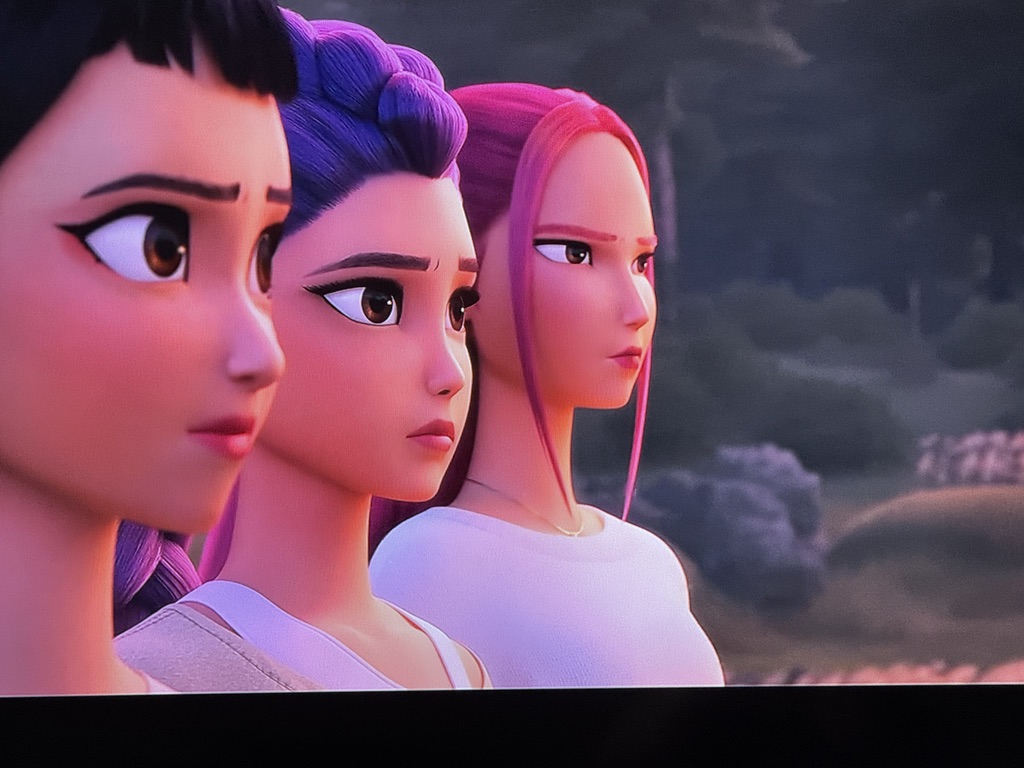
No, this is not going to be some academic discourse on the literate and cultural implications of the smash hit Netflix film K-Pop Demon Hunters. We talk about toys and play here.
With yesterday’s announcement that Mattel and Hasbro have both signed on to produce product—some in time for the holidays—we’re in the midst of the latest frenzy. We’re also in the midst of the latest chase to maximize product opportunities when a property hits.
Two products announced by the toymakers—a Monopoly Deal game from Hasbro and a three-pack of dolls from Mattel Creations—speak partially to a new way to structure licensing and at the same time, return us to the classic “jump on it” nature of the toy biz that has been around since the post World War II era.
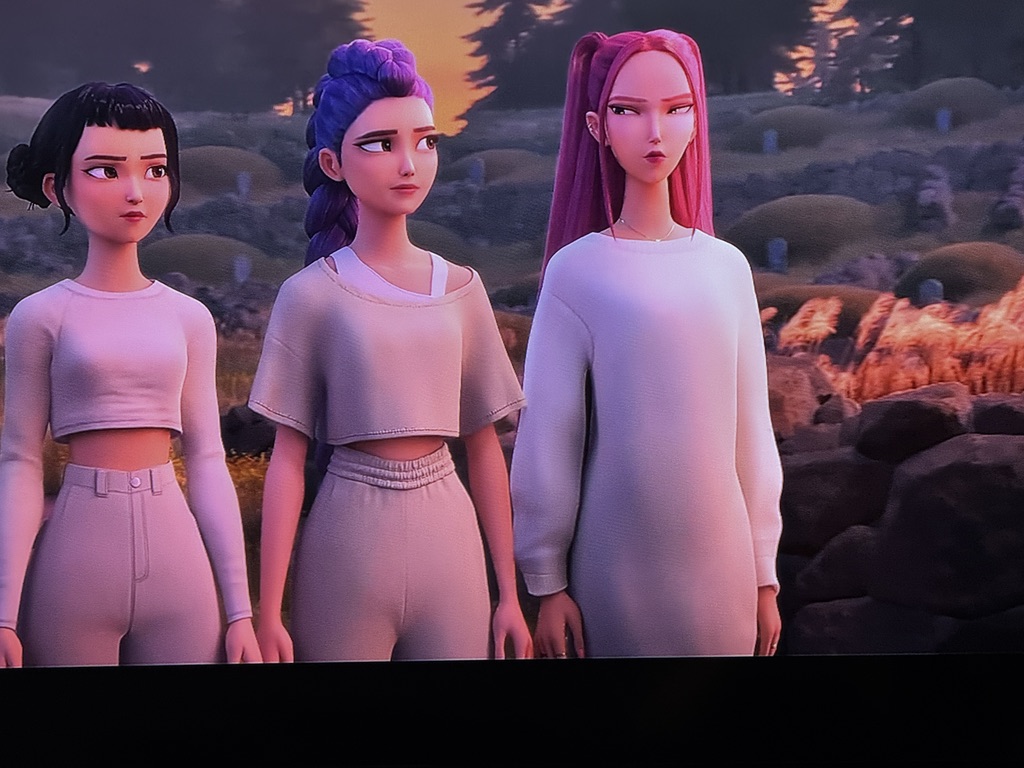
In both cases, the companies are leaning into their expertise. Hasbro can design and print cards very quickly, and no company can a doll into the market more efficiently (or arguably with such style) as Mattel. The moves point up that what matters is speed to market while something is hot.
And the movie is hot. As of a week ago as reported by Comicbook.com, Netflix estimated that the movie has been in their top 10 for 17 weeks, and said that in total it has logged more than 500 million hours of viewership. Once the ball got rolling, so did the toy companies.
Fandom Changes the Dynamics of Licensing
K‑Pop Demon Hunters is also the latest demonstration of how fandom is driving the entertainment bus. Today’s consumers don’t just watch movies, they participate in them as cultural events. According to the site Meltwater, the movie inspired fans to share their passion for the film. was its treatment of fans as active collaborators. More than 65,000 audience‑generated posts appeared across Pinterest and Bluesky, and over 12,000 user videos populated YouTube within a month of release.
Simple lesson: Your audience is now running the show.

Music, Myth & Merchandising.
By weaving Korean folklore symbols like the tiger (hojakdo) and magpie into a global pop‑music framework, K‑Pop Demon Hunters created a hybrid mythology accessible to both Eastern and Western audiences. A more scholarly article from the University of Illinois goes into more detail Netflix capitalized on this convergence via limited‑edition merchandise featuring these mascots, which quickly sold out at Korean museums and retail partners. This fusion of narrative depth and tangible collectibility demonstrates how storytelling translates directly into merchandise longevity.
What this speaks to, as well as the craze for Labubu, and the 50-plus year reign of Sanrio—and Hello Kitty in particular in the United States—is the phenomenon of global characters that appeal broadly across countries. The Demon Hunter characters are accessible because they are heroic and powerful, but they are also flawed, seeking, and representing a range of emotions that are familiar to the target audience. Of course, this is classic literature. Show me a hero from Beowulf to Harry Potter who doesn’t have internal demons that need fight. I don’t think you can do that.
The music, too, has a broad international appeal—and it’s quite good, honestly. You don’t have to know, love, or appreciate K-Pop to recognize that lyrically and musically, these songs are catchy. More importantly, anecdotally we know that this movie isn’t just for kids. We’re hearing from tons of adults who keep asking, “Have you seen it?”

The Power of Streaming
One of the things that I think is so fascinating about this is that streaming is what drove K-Pop Demon Hunters to become a cultural event. Anyone who has been around this industry for a couple of decades or more remembers when a theater release for a movie became a cultural event. (There were no options.) But with streaming, it’s possible to have repeat viewing at no additional cost or leaving the house. Social media and fandom drive engagement and sharing—and on a global basis. Thus, understanding how a property can appeal across a variety of cultures is essential. Here it’s a little easier, perhaps. Comic scenes like the singers eating ramen now are understood worldwide, for example, but understanding how cultural cues will resonate on a global scale is important for attracting, keeping, and connecting with an audience.
Combined with broadly appealing music, storylines, and characters, it’s almost the perfect storm for a monster (or demonic?)-sized hit. It raises the question that if this had been planned as a more conventional theater-released movie, if it could have achieved this level of success.

The Changing Nature of Product
When Harry Potter came out, we discovered in talking with hundreds of fans that they didn’t want to play with Harry Potter, they wanted to imagine they could become the characters. They wanted to immerse themselves in the world of Hogwarts.
That was, arguably, the beginning of a change.
Today, the world of entertainment and licensing has shifted. Addressing play, fandom, music, social media, global sensitivity and great stories, are all part of engaging fans and creating a hit.
It won’t, of course, happen with every product. I’ve often heard a licensing hit described as “lightning in a bottle.”
Today, if that’s to happen, you’re going to need a bigger bottle.
All show photos taken by the author from the TV.
K-Pop Demon Hunters © 2025 Netflix Studios, LLC. All rights reserved.
