
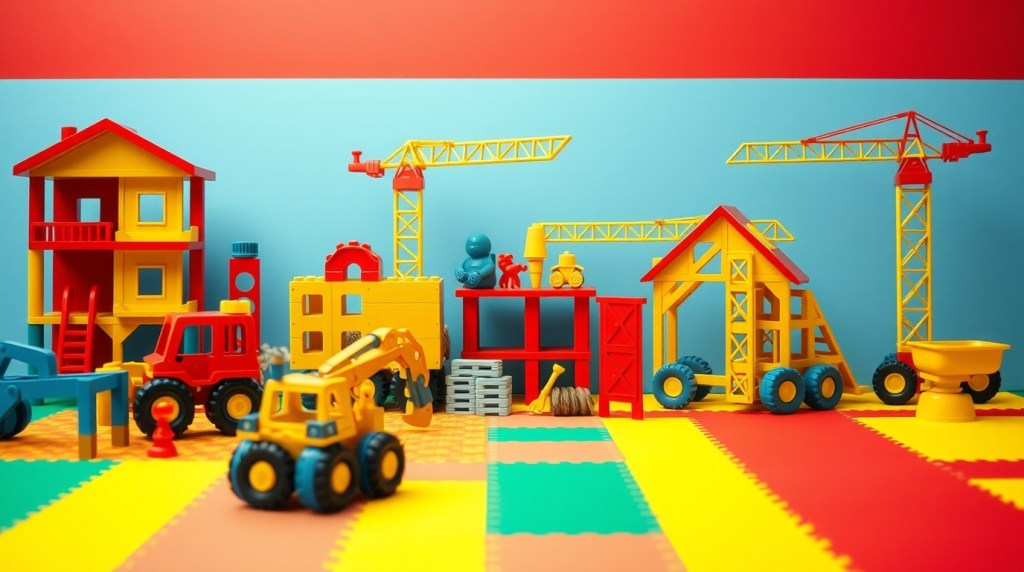
Educational toys are no longer a niche within the industry—they are the engine powering one of the fastest-growing segments of the global toy market. According to a new report from Valuates, the worldwide educational toys market is on track to grow from $60.77 billion in 2024 to $105.38 billion over the next several years, marking a compound annual growth rate (CAGR) of 8.3%.
This surge is more than just a reaction to post-pandemic learning gaps. It’s a reflection of long-term shifts in parenting behavior, purchasing priorities, and pedagogical values. Toys are now expected to do more than entertain—they must educate, inspire, and build skills from the earliest stages of development.
A Global Trend with Local Impacts
The rise of educational toys is not isolated to affluent, Western markets. While North America and Europe remain strongholds in terms of overall revenue, Asia Pacific is the growth engine, with countries like China, India, and Indonesia investing heavily in early learning resources. As middle-class households expand and education-focused parenting norms take hold, these markets are becoming critical for long-term growth.
That said, it’s not just about geography—it’s also about access. The expansion of online platforms and hybrid retail models has given families worldwide better access to specialized learning toys that may have once been limited to boutique stores or institutional settings.
What’s Selling—and Why
According to Valuates’ report, the most in-demand educational toys fall into five key categories:
- Activity-based toys
- Games and puzzles
- Construction sets
- Dolls and accessories (yes, these too—when designed with social-emotional learning in mind)
- Outdoor play products
These categories reflect a broader consumer appetite for hands-on, interactive, and multi-sensory learning experiences. In particular, construction sets and STEM-related kits are leading the way, supported by the rise of “maker” culture and early tech literacy.
What’s clear is this: the next generation of parents isn’t just buying toys—they’re buying outcomes. They want toys that support brain development, collaboration, resilience, and even coding skills.
Tech Is the Tipping Point
The smartest brands in this category aren’t just innovating—they’re digitizing. AR-enhanced toys, app-integrated kits, and sensor-driven experiences are capturing the attention of both children and caregivers. They offer a blended learning model that aligns with how kids already interact with the world: across screens and physical space.
But this isn’t just about gimmicks. Parents are willing to pay a premium for tech that’s functional and safe. The winners in this space will be the companies that embed meaningful learning into their technology—not just bells and whistles.
Challenges on the Horizon
Of course, rapid growth comes with its own set of headwinds. The educational toy space is increasingly crowded, with legacy players like LEGO, Mattel, and Hasbro doubling down on their learning lines, while smaller innovators push the envelope in design and pedagogy.
On top of that, regulatory hurdles—especially around safety standards and digital privacy—are getting steeper. As toys become more connected, manufacturers must navigate a web of compliance issues, from material safety to data protection.
And then there’s the supply chain question. With so much toy manufacturing still concentrated in China, the industry remains vulnerable to geopolitical tension, freight disruptions, and rising labor costs.
What This Means for Toymakers
The implications are clear: if you’re not innovating in educational play, you’re leaving opportunity on the table.
Companies should be thinking seriously about:
- Expanding into emerging markets with localized, culturally relevant products
- Investing in tech-enabled learning that’s more than surface-level
- Strengthening DTC and omnichannel strategies that meet consumers wherever they are
- Collaborating with educators to align toy development with real-world curriculum trends
Perhaps most importantly, educational toys give brands a pathway to longer customer lifecycles—from toddlerhood through tweendom—by offering evolving learning products that grow with the child.
The toy industry has always followed the child. Today’s children are curious, connected, and craving more than just passive entertainment. If toys can teach, inspire, and challenge them along the way, then the value they bring—to both families and the industry—is immeasurable.
With more than $100 billion on the table, it’s time for toymakers to take educational play seriously—not just as a category, but as a mindset.
This article was created with information from the July 3rd Valuates Report Recap. Read the original press release from Valuates Reports here: https://www.prnewswire.com/news-releases/global-educational-toys-market-set-to-grow-at-8-3-cagr–explore-key-trends–opportunities–valuates-reports-302497689.html
