

In my conversations with all kinds of people in our industry in the past weeks, I keep hearing the same thing: There’s no innovation. Yes, innovation is the lifeblood of our industry, and it’s definitely a “wow” for grownups—and especially those who have been around the industry for a while, not to say decades.
But real, game changing innovation is not really all that common if you take a step back and look at the business. Perhaps it’s because of the definition of the word. It often means something we’ve never seen before, and there’s certainly been plenty of that. Chatty Cathy, Simon, the Ninetendo Game and Watch, Roblox—things that change the way kids play.
More common is innovation within established play patterns, and that can be dramatic as in something like Hatchimals of Magic Mixies, or Zhu Zhu Pets. That’s the kind of innovation Matt Nuccio talked about in our podcast a few weeks ago.
So, really, after a misleading headline above, what this business thrives on is novelty—new ways to do the same old things. Again taking the longer view, play and play patterns haven’t changed that much but advances in technology, cultural influences, and other factors allow the development and merchandising of new toys that provide a new generation an opportunity to engage in a classic play pattern in light of all these.
It’s easy to forget that many of the toys we think of as arcane were groundbreaking in their day. One of the first products I ever worked on was Computer Othello from Gabriel. It was the size of a shoebox and cost $100 in the early 1980s. Today, there are about a dozen Othello apps you can download to your phone for free. The gameplay is what endures.
There are three products in particular this year that illustrate this point.

Poe the AI Storytelling Bear from Skyrocket is Chatty Cathy updated for 2024. Actually, that was an update of Edison’s Talking Doll (You can see it at the Strong in Rochester) that wasn’t practical…but talked. The play is a doll that talks to you, and we’ve seen many attempts over the years, notably Teddy Ruxpin, which many will recall caused a sensation. Poe is simply that using an AI story generator, Bluetooth and an app. The issue is what a child perceives as magic. Chatty Cathy’s pull string was magical to kids in the context of 1959, and Poe’s AI engine is exactly the same.
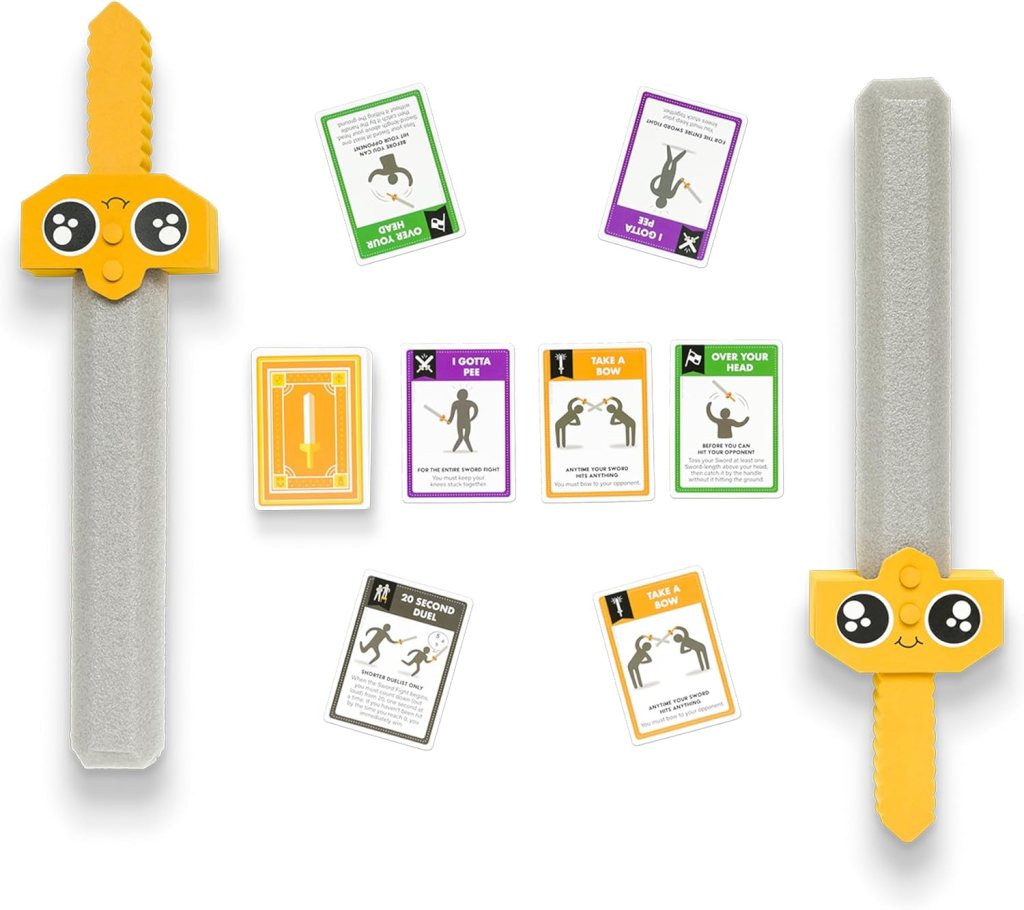
Let’s Hit Each other with Fake Swords from Exploding Kittens is another action game, but the novelty is the silliness that reflects the current zeitgeist, and that’s the novelty. The basic game is a fairly conventional card game, but when you add the element of settling turns with a ridiculous battle with foam swords, you get something super fun—and original within a familiar play context.
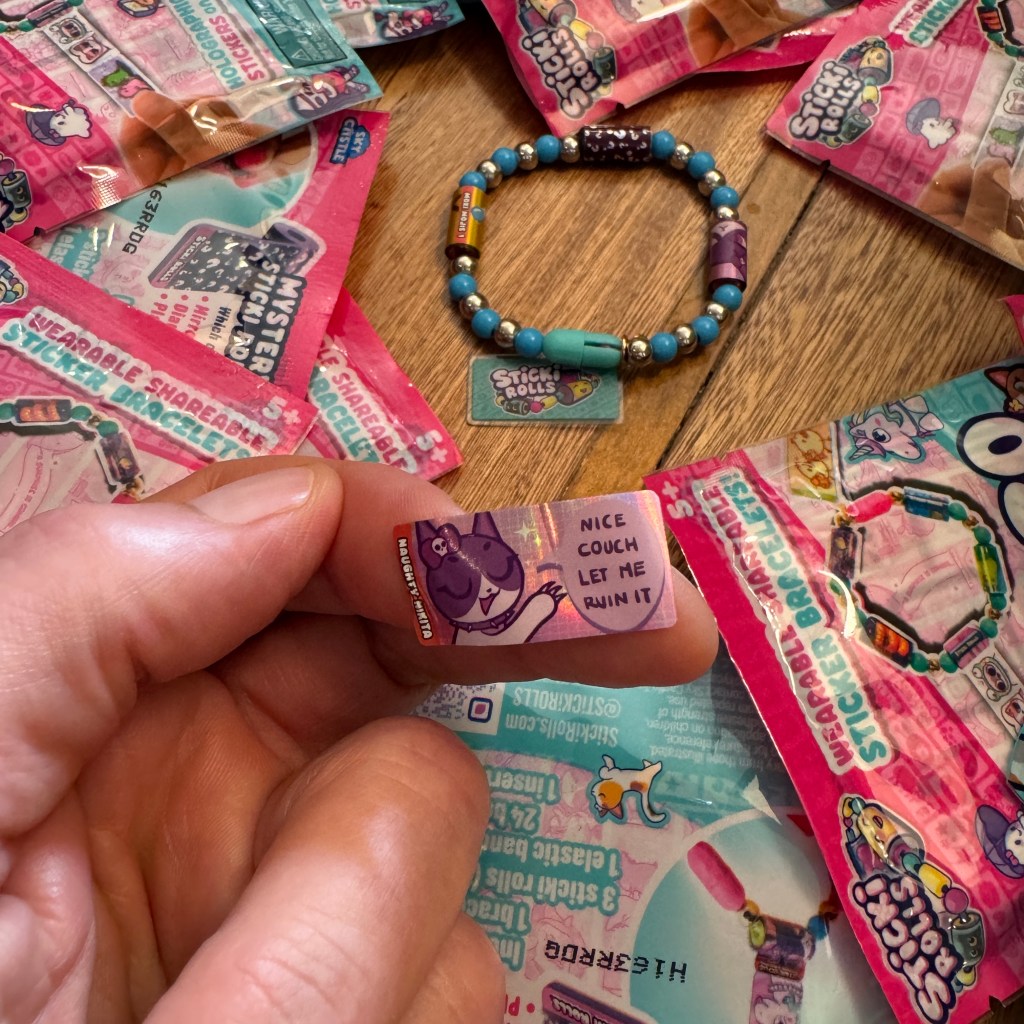
Sticki Rolls from Sky Castle (What’s with these sky names?) is just the next bracelet. Launching off the popularity of Taylor Swift friendship bracelets and the classic play pattern of making and sharing jewelry (Anyone else remember gimp?), the novelty is that some of the beads are rolls of stickers to collect and share. Even in its pre-release, the item is blowing up on social media and along with in-person responses from kids, there’s every indication that this will be a major hit in a time-honored category.
Yes, I’ll grant you that transposing “novelty” for “innovation” is a bit of a semantic argument. So perhaps the idea is that one innovates within a category to find novelty. History also teaches us that completely new ideas can take time to establish in the culture at large. That can work with products targeted to adults, but when you have an audience as dynamic and mercurial as kids, it doesn’t work the same way; you don’t have time.
The upshot, for me at least, though, is that we shouldn’t have to think of wholesale reinvention as the goal. Rather, keep in mind that kids don’t really have a sense of history. Six-year-olds don’t have a sense of nostalgia, and they’re not likely to think beyond what’s cool for them and their peers. That makes delivering the ultimate test of a toy’s viability—the wow—perhaps a little less fraught and a little more fun.
What do you think?
