
Much has been said in recent weeks about Universal overtaking Disney in total box office. You would think in some of the breathless coverage and referring to the positioning as a “crown,” as The Hollywood Reporter did that this is monumental. We’re kind of “meh, not so much.” The difference in the tallies isn’t that much, and it’s significant that Universal released 24 titles versus Disney’s 17.
I’ve been fielding media calls asking me, “Is this the end for Disney?” Drama much? I know that these are the kinds of stories that grab headlines and clicks, but they don’t mean much beyond that—other than perhaps nudging the stock a bit or so in one direction.
More importantly, anyone who’s been around for a while knows that toys and movies are a kind of Ferris Wheel—many have been at the top and many have been at the bottom. What matters is product and how kids are engaged with properties to the point where they want to take those characters off the screen and integrate them into their play, which goes way beyond simply replicating plots.
There are more significant issues than box office for toys and licensed goods.
As James Zahn put it quite well in our End-Of-Year Podcast, what’s more important is how kids encounter movies. The theatrical-to-HBO-to-home video model has been compressed giving kids fewer chances to be involved with a movie and time for other things like TV shows or streaming to take attention away.
Do properties introduced by theatrical films have the same opportunity? We think not. Paw Patrol movies continue the home experience into the theater. Transformers has a robust streaming and YouTube presence, and the recent Beast Wars did okay with product. (It helps that Transformers has a huge “kidult” audience, too.) Theatrical films, then, become an event in the life of license—something we’ve said for a while. Keeping kids engaged in characters, narratives, and the world of a property is key to driving toy sales. In a fragmented media market where kids are their own programmers, narrative is key.
A couple of other observations we’ve been talking about:
- “Action Figure Fatigue” is real. With the possible exceptions of Teenage Mutant Ninja Turtles, and Spider-Man (Based on Spidey and His Amazing Friends), the category lacks newness, particularly among DC and Marvel figures. The market is crying out for newness, and while it might reflect retailer wariness more than consumer demand, we saw Aquaman figures marked down even before the movie opened.
- History has potential. Last year was the 30th anniversary of The Nightmare Before Christmas. It’s still going strong with kids and collectors. What are the untapped, unique properties that can be leveraged?
- It’s the Toy. It’s always the toy. When kids play with a toy—or adults collect it—that’s a form of self-expression. What aspects of a toy are totemistic in the role of people expressing something about themselves? This is a question that must always be asked. Which leads us to…
- Find a “way in.” As noted, what is it about a toy or property that resonates with people? Is it power and conflict or a classic quest like Transformers? Is it working out family dynamics like Bluey or Peppa Pig? Is it empowerment and discovering agency like Paw Patrol? Until you can answer those questions, you’re just making souvenirs. (Souvenirs, however, can be very profitable, however, so the corollary question is: what’s your product strategy?) Once you find your “way in,” however, then the questions are “how will a child play that? How are we facilitating that experience?”
Not all movies are “playable,” either. Outside of some very elaborate science kits, it’s hard to know how to play Oppenheimer, though I would have liked to try with cherry bombs and such.
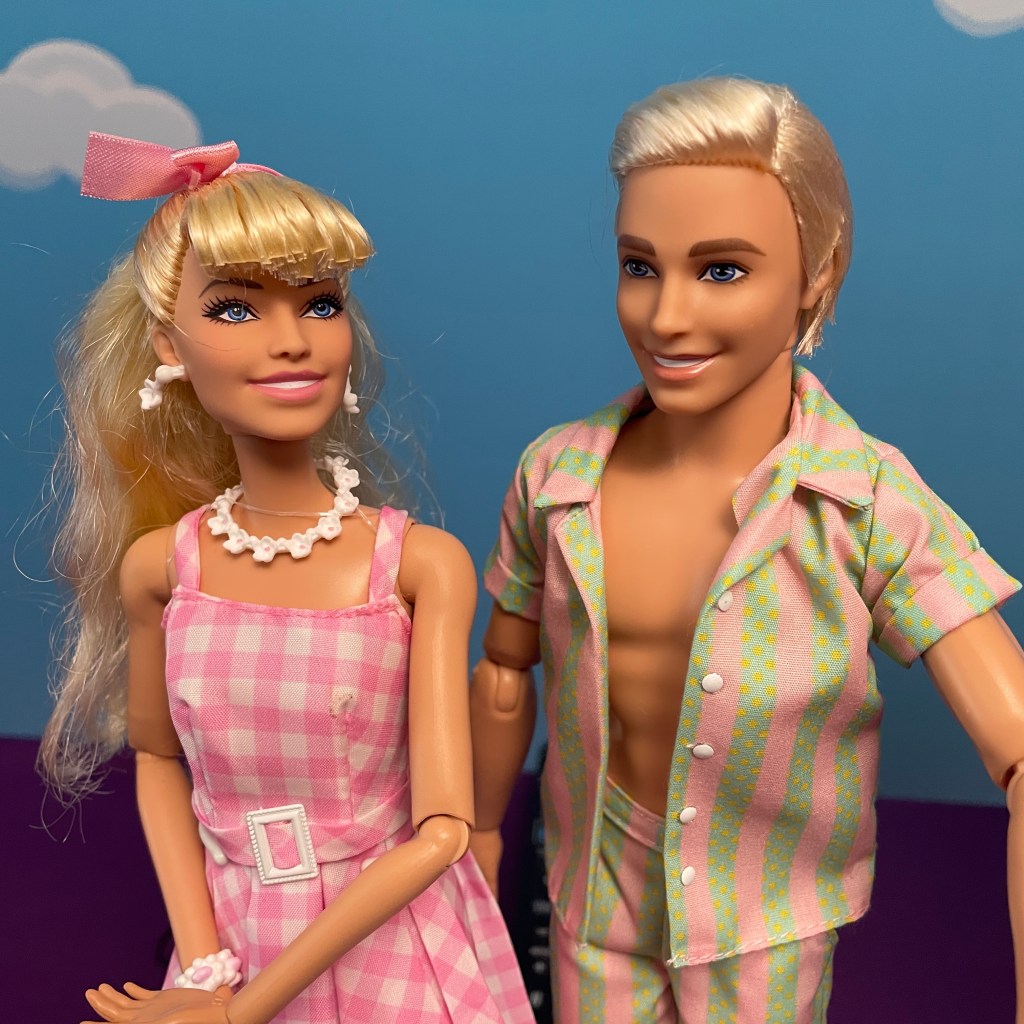
Barbie is a bit of a challenge. It was a box office juggernaut, but the themes of the issues were sophisticated for a typical Barbie player. (I’ve rarely seen a 4-year-old experiencing an existential crisis.) However, the “way in” was about discovering power and agency outside of proscribed/expected cultural roles. Perhaps—and there’s no way to quantify that—Barbie is validated as a repository for possibility for people of all ages. It’s one reason I think Barbie t-shirts were everywhere this summer—and especially not on kids.
So, let the Hollywood types battle it out when it comes to box office “crowns.” What really matters—same as every year—is making good play.
What do you think?
Much has been said in recent weeks about Universal overtaking Disney in total box office. You would think in some of the breathless coverage and referring to the positioning as a “crown,” as The Hollywood Reporter did that this is monumental. We’re kind of “meh, not so much.” The difference in the tallies isn’t that much, and it’s significant that Universal released 24 titles versus Disney’s 17.
I’ve been fielding media calls asking me, “Is this the end for Disney?” Drama much? I know that these are the kinds of stories that grab headlines and clicks, but they don’t mean much beyond that—other than perhaps nudging the stock a bit or so in one direction.
More importantly, anyone who’s been around for a while knows that toys and movies are a kind of Ferris Wheel—many have been at the top and many have been at the bottom. What matters is product and how kids are engaged with properties to the point where they want to take those characters off the screen and integrate them into their play, which goes way beyond simply replicating plots.
There are more significant issues than box office for toys and licensed goods.
As James Zahn put it quite well in our End-Of-Year Podcast, what’s more important is how kids encounter movies. The theatrical-to-HBO-to-home video model has been compressed giving kids fewer chances to be involved with a movie and time for other things like TV shows or streaming to take attention away.
Do properties introduced by theatrical films have the same opportunity? We think not. Paw Patrol movies continue the home experience into the theater. Transformers has a robust streaming and YouTube presence, and the recent Beast Wars did okay with product. (It helps that Transformers has a huge “kidult” audience, too.) Theatrical films, then, become an event in the life of license—something we’ve said for a while. Keeping kids engaged in characters, narratives, and the world of a property is key to driving toy sales. In a fragmented media market where kids are their own programmers, narrative is key.
A couple of other observations we’ve been talking about:
- “Action Figure Fatigue” is real. With the possible exceptions of Teenage Mutant Ninja Turtles, and Spider-Man (Based on Spidey and His Amazing Friends), the category lacks newness, particularly among DC and Marvel figures. The market is crying out for newness, and while it might reflect retailer wariness more than consumer demand, we saw Aquaman figures marked down even before the movie opened.
- History has potential. Last year was the 30th anniversary of The Nightmare Before Christmas. It’s still going strong with kids and collectors. What are the untapped, unique properties that can be leveraged?
- It’s the Toy. It’s always the toy. When kids play with a toy—or adults collect it—that’s a form of self-expression. What aspects of a toy are totemistic in the role of people expressing something about themselves? This is a question that must always be asked. Which leads us to…
- Find a “way in.” As noted, what is it about a toy or property that resonates with people? Is it power and conflict or a classic quest like Transformers? Is it working out family dynamics like Bluey or Peppa Pig? Is it empowerment and discovering agency like Paw Patrol? Until you can answer those questions, you’re just making souvenirs. (Souvenirs, however, can be very profitable, however, so the corollary question is: what’s your product strategy?) Once you find your “way in,” however, then the questions are “how will a child play that? How are we facilitating that experience?”
Not all movies are “playable,” either. Outside of some very elaborate science kits, it’s hard to know how to play Oppenheimer, though I would have liked to try with cherry bombs and such.
Barbie is a bit of a challenge. It was a box office juggernaut, but the themes of the issues were sophisticated for a typical Barbie player. (I’ve rarely seen a 4-year-old experiencing an existential crisis.) However, the “way in” was about discovering power and agency outside of proscribed/expected cultural roles. Perhaps—and there’s no way to quantify that—Barbie is validated as a repository for possibility for people of all ages. It’s one reason I think Barbie t-shirts were everywhere this summer—and especially not on kids.
So, let the Hollywood types battle it out when it comes to box office “crowns.” What really matters—same as every year—is making good play.
What do you think?

I admit when I saw the headline I thought you meant Body Odor for B.O. and I was really perplexed. Then I realized you meant Box Office and your great essay made SO much more sense.
Also this…
https://youtu.be/egpWCC2svVo?si=IBDC7oH2MKsb359W
LOL You’ve got Variety Speak down–me, normal speak.