
Written by: Mirek Stolee, Curator at The Strong National Museum of Play
Bingo is having a moment. In the last year alone, I’ve been approached for three interviews about the game and its history, most recently for CBS Sunday Morning. At the risk of being pigeon-holed as the museum’s “bingo guy,” I’m pleased to cap off a banner bingo year by announcing the game’s induction into the National Toy Hall of Fame.
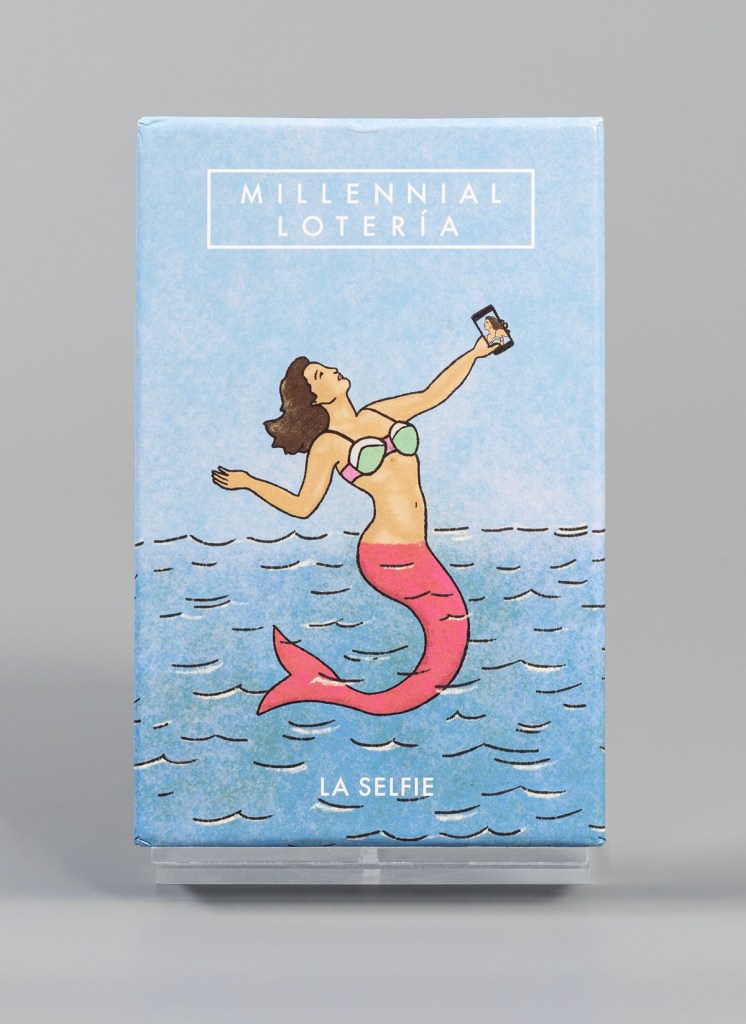
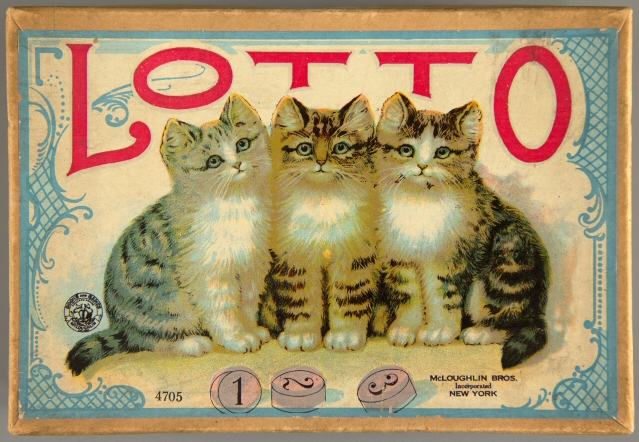
Bingo’s history is longer than you might think. Italians played Lo Gioco del Lotto d’Italia in the 1530s, and similar games appeared in 1600s France. A Spanish version, lotería, was brought to colonial Mexico as early as 1769. Lotería requires players to match images, not numbers, and its callers sometimes introduce each card with a poetic verse. First played by the upper classes, lotería became popular at fairs across the country. The game and its images are now iconic in Mexican culture. 19th-century Germans used a game like bingo to teach spelling and animal names to children, often under the name “Lotto,” and American game manufacturers like McLoughlin Brothers produced their own Lotto games in the 1800s.
In the early 20th century, bingo started to take the form we know today. Pennsylvanian Hugh J. Ward brought the game beano—played with dried kidney beans on printed cards―to 1920s fairs and carnivals, where the toy merchandiser Edwin S. Lowe (later of Yahtzee fame) encountered the game in 1929. After showing it to some friends from New York, Lowe decided to manufacture his own version under the name “bingo.” Why the name change? It’s up for debate. Legend has it that one of Lowe’s players blurted out “bingo!” when winning a spirited game of beano. Regardless, bingo, not beano, had spread across the country by the 1940s.
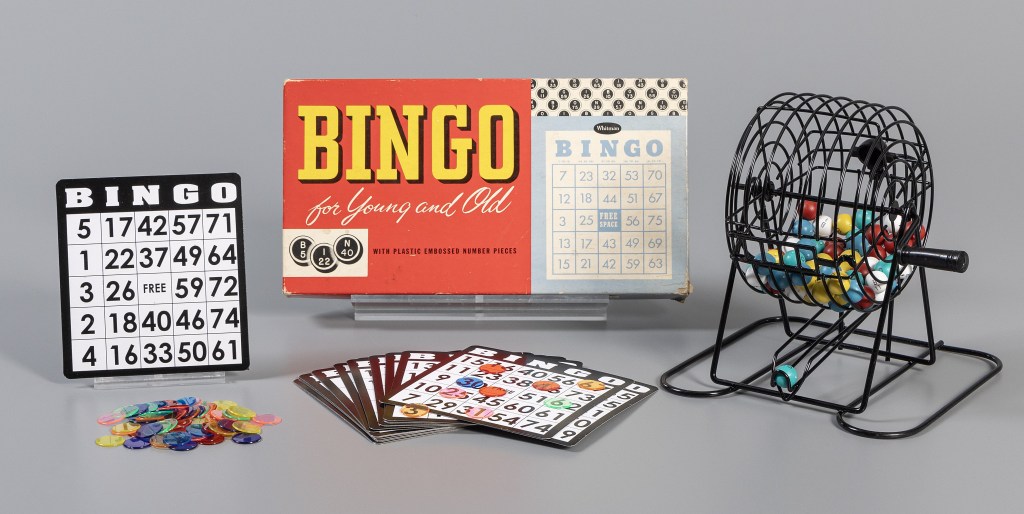
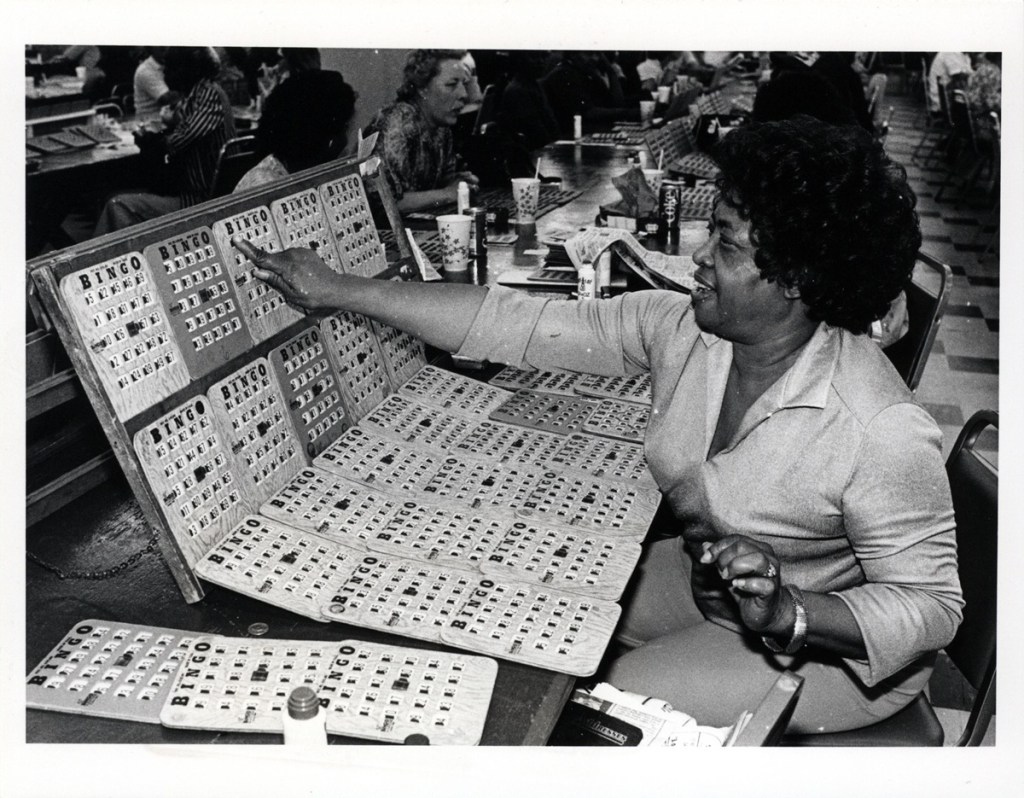
Traditional American bingo is usually played with 75 numbers, pulled at random and announced by a central caller. While its predecessors used cards of various sizes, standard bingo cards feature 25 numbers in a five-by-five grid beneath the letters “B, I, N, G” and “O,” with a free space in the center. After each number is called, lucky players who have the appropriate space mark it with a token or a dauber. Players slowly fill their board, and the first to complete a column, row, or diagonal line of spaces shouts “Bingo!” to announce their victory. While five-in-a-row is the standard win condition, there are numerous ways of playing. When I was growing up, we often played until someone filled in, or “blacked out,” their entire card. That one might have been designed to keep the kids busy a little longer.
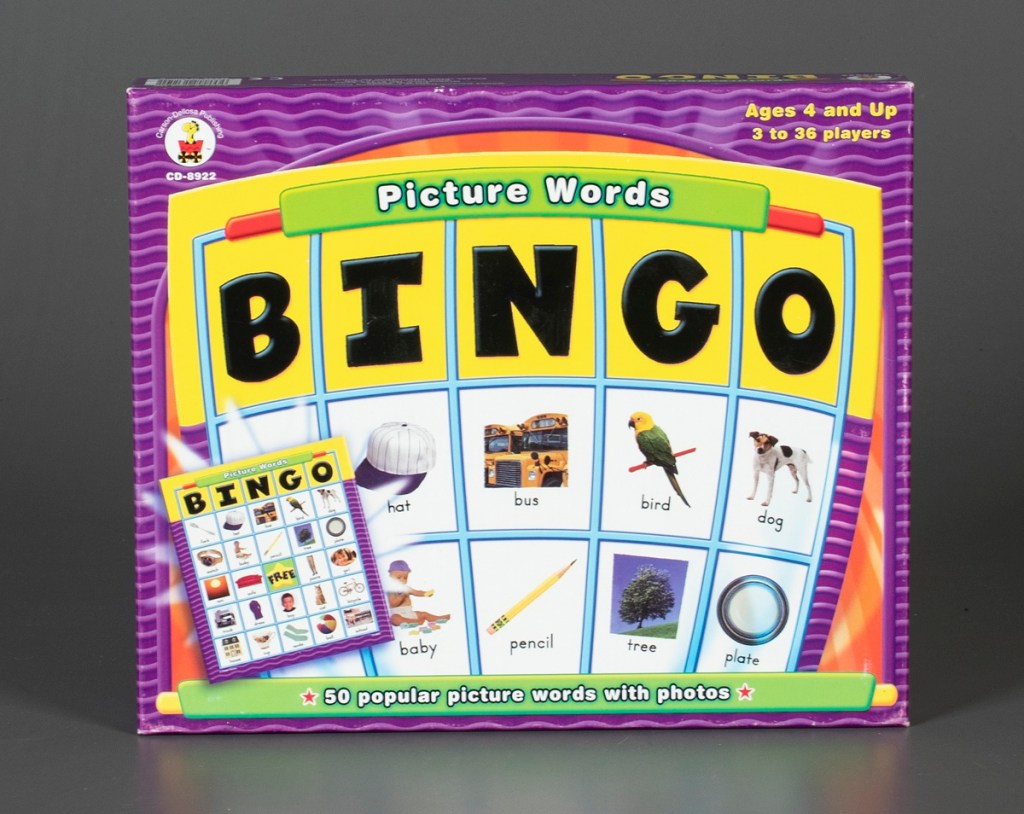
Bingo’s simplicity makes it both easy to play and straightforward to adapt. Teachers and parents have long repurposed bingo and its predecessors for educational purposes. Lotto picture cards continue to be used to teach children the names of animals, places, and things of all kinds, and bingo is a handy tool for teaching language fundamentals. Bingo’s scalability also makes it perfect for public play. Any number can play, so long as you have enough cards and markers. It has become so ubiquitous at fundraisers that the U.S. tax code has special rules for it. The game’s prevalence at charity events [JS1] and senior living facilities may give it an old-fashioned reputation, but bingo is enjoyed by players of all ages. Bingo fundraisers hosted by drag queens may attract a younger audience. Recently, public bingo games have also become popular in bars and nightclubs. The company Bingo Loco, for instance, infuses bingo with drinking, live music, and dancing.
Bingo’s long history, educational value, and intergenerational appeal make it ideal for the National Toy Hall of Fame. After multiple previous years as a finalist, its number has finally been called.
