
BY AMANDA GUMMER
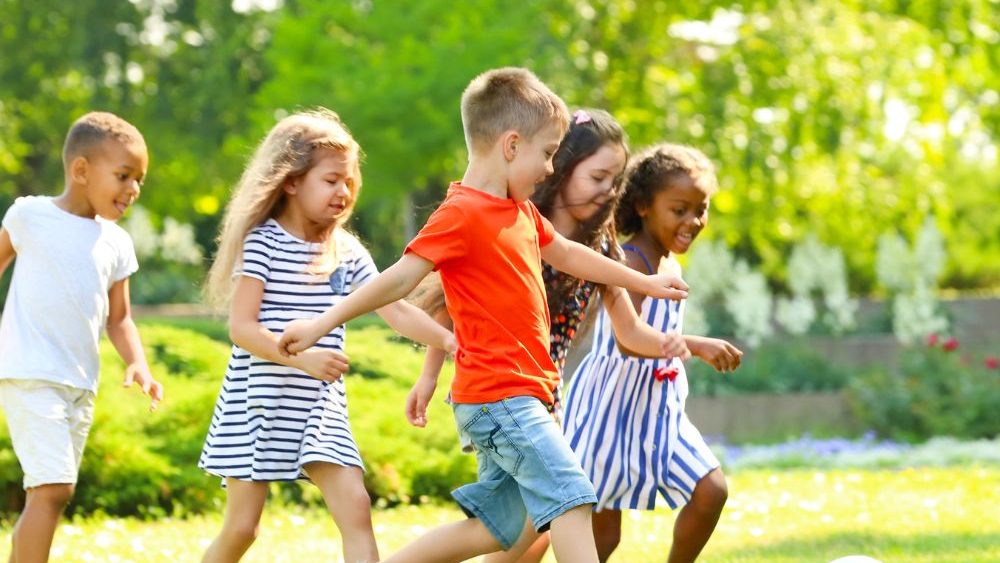
Outdoor play is essential for physical, social, emotional and cognitive development, and for the toy industry, this presents a unique opportunity to innovate and reintroduce outdoor activities that engage today’s children and families.
The Benefits of Outdoor Play
Outdoor play offers a wide range of benefits that are crucial for children’s overall development. Engaging in active play strengthens muscles, improves motor skills and supports cardiovascular health. With childhood obesity on the rise, promoting outdoor play has become vital for encouraging physical activity among children of all ages.
Time spent outdoors can also enhance mental wellbeing. Spending time in nature has been shown to reduce stress and anxiety, and improve mood and concentration. The natural environment encourages unstructured and imaginative play which is essential for development. Outdoor play also offers an ideal setting for developing important social and emotional skills– children learn to cooperate, negotiate, and empathize.
Outdoor environments are also rich in learning opportunities. Whether it’s observing wildlife, building forts, or playing games that require teamwork, children develop critical thinking and problem solving skills while exploring nature. These experiences not only expand their knowledge but also instil a sense of curiosity about the world around them.
Barriers to Outdoor Play
One major issue is the rise of digital distractions, with children spending more time on screens than playing outside.
Safety concerns also significantly limit outdoor play. Parents often worry about traffic, strangers and unsafe environments, especially in densely populated areas. The fear of accidents or mishaps can deter parents from allowing their children the freedom to explore their surroundings, leading to a more sheltered upbringing.
Today’s children also have busy schedules, with many enrolled in extracurricular activities that leave little time for free outdoor play. While structured activities can provide valuable experience, they often come at the expense of unstructured time, which encourages creativity, independent problem solving, and self discovery.
Additionally, families living in urban areas frequently lack access to safe, green spaces for play, making it harder for children to engage in outdoor activities. Parks may be few and far between, or they may lack the necessary facilities to encourage active play.
The Toy Industry’s Role
The toy industry can play a pivotal role in reviving outdoor play by creating toys that encourage children to be active outside and blend activities and technology. For instance, augmented reality nature kits can make outdoor play more appealing to tech savvy children, merging their digital interests with physical exploration. Enhancing toys like scooters, bikes, basketball hoops , or others with interactive elements and features may promote longer engagement and encourage children to stay physically active.
With rising environmental awareness among consumers, toy manufacturers also have the chance to create eco-friendly outdoor toys that promote exploration and appreciation of nature.
Working with national or international organizations, environmental groups, and educational institutions can boost the effort to promote outdoor activity. Through partnerships with these bodies, toy companies can help create safe and inclusive outdoor spaces such as pop-up playgrounds, nature trails and educational workshops.
Now is the time to champion outdoor play and ensure it remains a central part of childhood. By working together we can create opportunities for children to enjoy the outdoors, connect with others through play and develop the skills that are essential for their growth and wellbeing.
Amanda Gummer is CEO of The Good Play Guide and FUNdamentally Children
Photos courtesy of The Good Play Guide
