
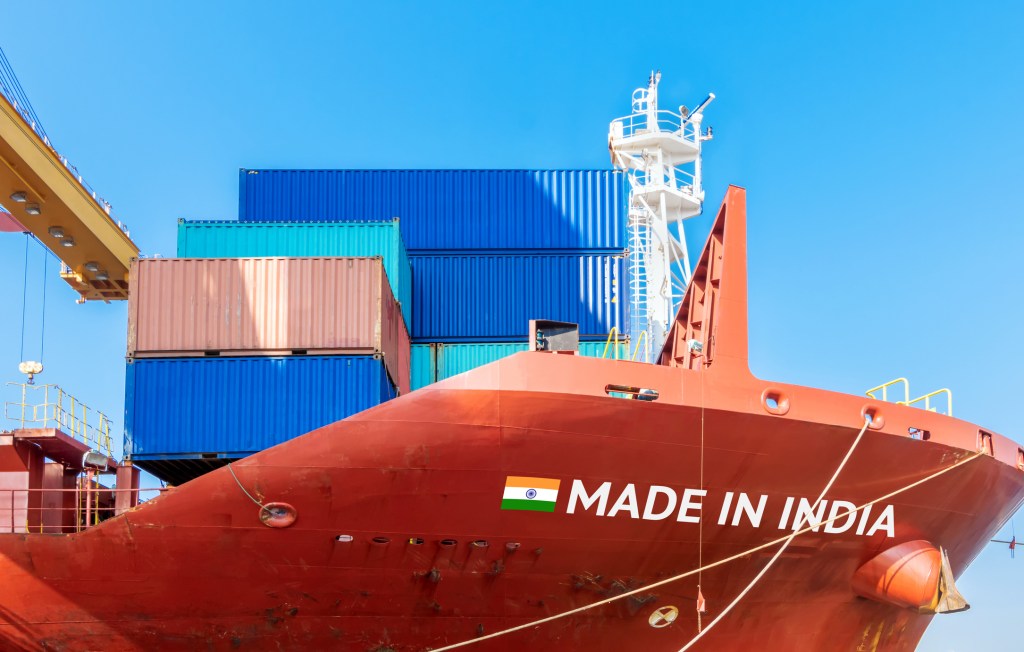
Well, of course, the future of manufacturing for global markets continues to be a hot topic. It seems even the New York Times has awakened to that with an article this week on manufacturing in India.
This is decidedly not new news to the toy industry where diversification of manufacturing has been top of mind in recent years. We’ve all talked about capacity, infrastructure, logistics and so forth for years now. The desire to minimize dependence on China has opened up many other markets, and there is talk about looking beyond India, Cambodia, Vietnam, Sri Lanka, Mexico, and more to Africa and other developing areas. This is in essence the history of global expansion in the latter part of the 20th century as off-shoring began and the business began to become the truly global enterprise it is today.
However, the bottom line, from our perspective, is that while there may be possible diversification, our dependence on China isn’t going away. With more than 60 years and billions of dollars invested in building the infrastructure in China, that can’t be replicated overnight, or even in a deace.
No wonder executives I’ve been talking to are concerned about the outcome of the election in November. Donald Trump has promised more tariffs and more punitive actions against China, fully expressing his lack of understanding of the global interdependency of the international toy industry.
He’s not alone, either. Reading comments on articles about manufacturing, and certainly some fringe blog posts, it’s clear that the average person—well, the person with a keyboard and an opinion—doesn’t really understand any of the current structure of the market, either. It’s not that popular opinion is going to sway policy, but there is a lot of noise that can obscure reality.
“Why can’t we make things in the U.S.?” I hear that all the time in person, too, from reporters.
Short answer: We can. Longer answer: As long as we can build or rebuild our manufacturing infrastructure, find and train labor, and still make a profit. That’s at odds with the desire always to pay the lowest price at Walmart.
So, while it’s likely that this conversation will be amped up in the coming months, we as an industry can play a role in helping people understand that globalism is not the enemy. Rather, it’s what allows our industry to continue, even with all the bumps and hiccups.
What do you think?
Photo credit Jiraroj Praditcharoenkul
